Most brands don’t really struggle to get noticed; they struggle to be remembered. That’s the rub. Ads come and go in a blink. A thoughtful, useful, well-made item that lands in someone’s hands? That sticks. It becomes a little, daily reminder of who you are—not just something they scroll past.
Why branded merchandise campaigns miss the mark (and how to course-correct)
When campaigns underdeliver, the patterns repeat. Wrong item for the audience or moment. Quality that fights the brand promise. A message that could belong to anyone. Rushed or scattershot distribution. No way to measure what actually worked. Start by getting blunt about the outcome you want: booked meetings, booth scans, employee engagement, client renewals, employer brand lift—pick one. Then choose the product and the distribution plan that directly support that goal.
Audience fit comes first. A charging pad for remote-first teams, a travel kit for road warriors, a desk-friendly plant for hybrid staff—each can be great, but not for everyone. Use your personas, your tech stack, and your event context to pick what people will actually keep. Then protect your brand equity. Set quality tiers that match the recipient and how long you expect the item to live. Cutting corners on materials or decoration can cost more in perception than you save on unit price.
Make the creative pull its weight. Clear branding. A tight line that ties the product to your value prop. A simple call to action. Now it’s more than a trinket. Add trackability—QR codes, personalized URLs, or a redemption flow that swaps swag for an email, meeting, or trial signup. And plan logistics early. Decide on pre-ship, at-event, or post-event fulfillment. For global fulfillment, confirm customs needs up front. Kit components so the unboxing feels intentional—clean folds, a card that makes the why clear, finishes that feel like you. When strategy, quality, creative, and logistics line up, ROI follows. It usually does.
What actually works for trade shows, employee onboarding kits, and client gifts
Use the moment to guide form factor, perceived value, and portability.
Trade show promotional products: keep it lightweight, packable, and useful during and after the event. Think compact power banks that actually hold a charge, cable organizers, badge accessories with a subtle brand mark, collapsible bottles, or antimicrobial pens that won’t get trashed as soon as someone leaves the hall. Run a tiered approach: high-utility handouts for anyone who stops by, and premium gifts—wireless chargers, noise-cancelling earbuds, branded laptop sleeves—for qualified leads who book a meeting. Now swag becomes a step in your funnel, not random giveaway fuel.
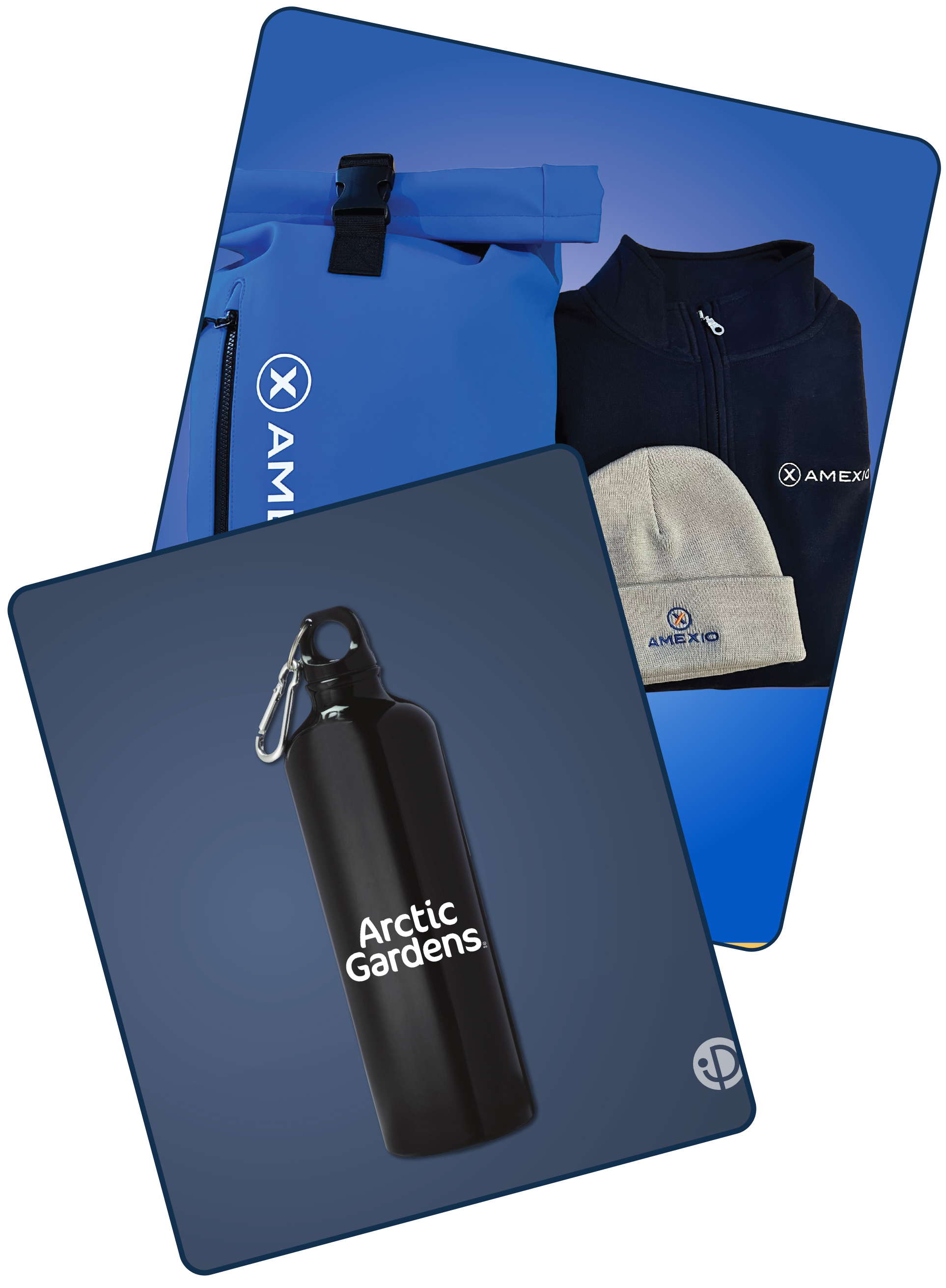
Employee onboarding kits: curate a set that builds identity and sets your standards. A soft-touch hoodie or quarter-zip in inclusive sizing, a premium notebook, a leakproof bottle, and a desk companion (webcam cover or desk mat) go a long way. Add a personal welcome note and a quick-start card that connects the items to your mission. If sustainability matters, pick recycled or organic materials, skip excess packaging, and include a short sustainability note so people know why you chose what you chose. Small tactile details matter here—embossed logos, smooth zippers, fabric that feels good the second it’s unbagged.
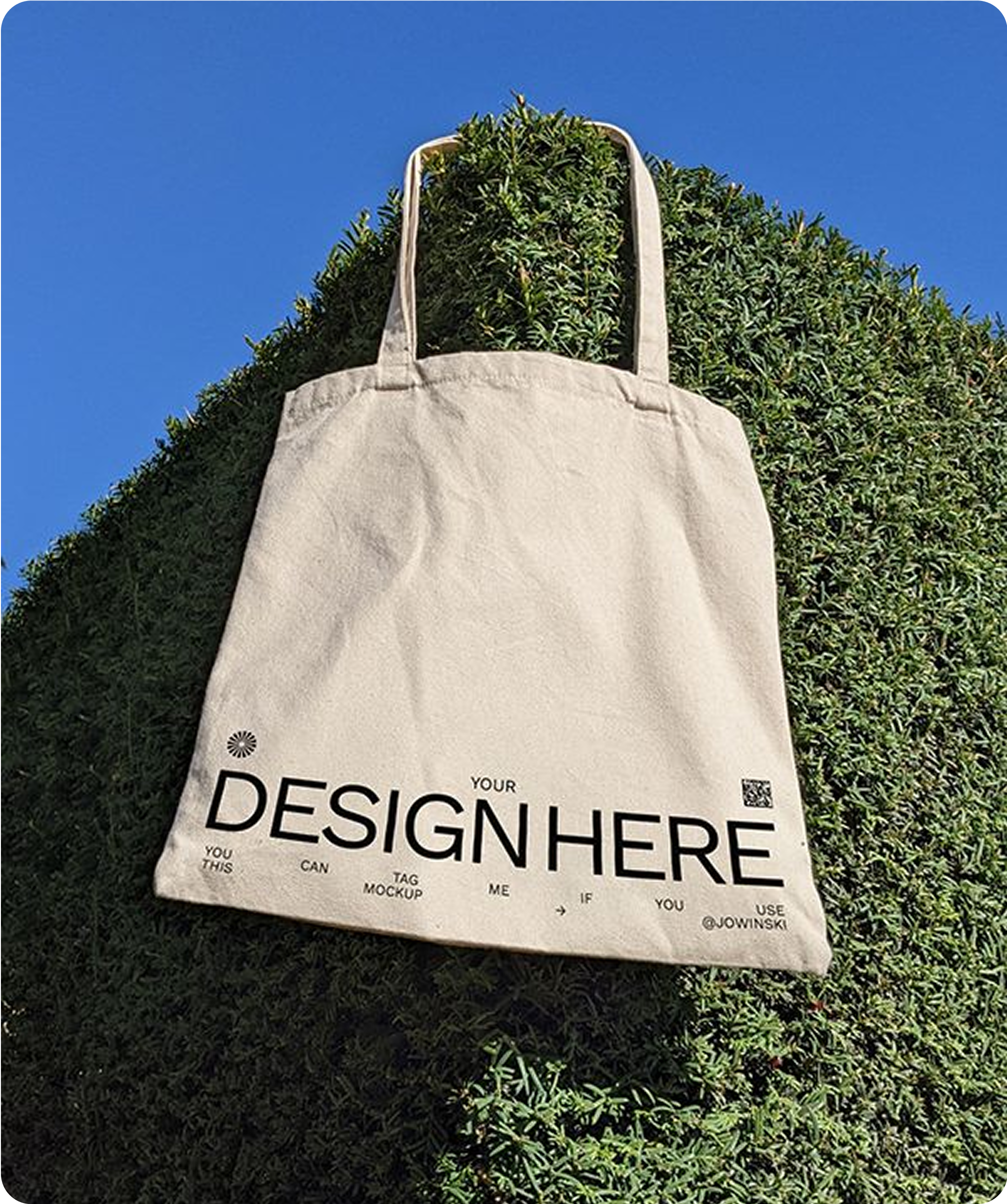
Client gift programs: gifts should feel considered and personal. Match the relationship level and client context. Examples that land: a home-office upgrade set (quality desk lamp, cable dock, etched mug), a travel bundle (packing cubes, RFID wallet, luggage tag), or a culinary kit (artisan snacks, durable cutting board, laser-engraved utensils). Keep branding subtle—tone-on-tone embroidery, debossed leather, discreet engraving—to keep it elegant and increase retention. Personalization—even just a name or initials—can double the odds the item stays in use. Shipping abroad? Choose universally appreciated items and confirm local customs constraints to avoid delays or returns.
How our end-to-end process actually works
We start with discovery: audience, goals, constraints, and the story your brand needs to tell. Then our creative team brings curated concepts tied to those objectives—material specs, decoration methods, sustainability notes, and target budgets included. You’ll see digital proofs and, when timing allows, physical preproduction samples to check color accuracy, hand-feel, and packaging before we lock anything.
Color fidelity and brand integrity aren’t negotiable. We handle Pantone matching, thread selection, print tests, and substrate considerations so your marks look right across cotton, metal, leather, and technical fabrics. Quality assurance runs on established AQL standards. When needed, we arrange third-party testing for Prop 65, CPSIA, or REACH. If you need recycled content or specific certifications (GRS, FSC), we source accordingly and document chain of custody.
Production rolls into kitting and packaging. Minimalist mailer to ship affordably? Or a premium unboxing with custom inserts and tissue? We’ll engineer a presentation that fits your brand and protects the product—think soft-touch wraps, clean folds, and a reveal that feels intentional rather than busy.
Distribution-wise, we operate domestic and international hubs with storage, pick-and-pack, and on-demand fulfillment. We ship globally with DDP options and manage import details so recipients aren’t surprised at the door. For ongoing programs, we can stand up a branded store, integrate with your CRM, HRIS, or ecommerce platform via API, and set automated approval workflows and inventory alerts.
Security matters. We protect PII with encrypted transfers, role-based access, and minimal data retention (only what’s needed to fulfill). We can align to SOC 2-style controls and sign DPAs for enterprise programs.
Timelines: stocked and decorated items typically ship in 5–10 business days; fully custom factory runs usually take 25–45 days, plus transit. Throughout, expect milestone updates, photos from the line on request, and a single point of contact owning deadlines.
What ROI to expect (real numbers you can plan around)
Returns depend on audience fit, offer design, and execution. But some patterns are consistent. Cost per impression for well-chosen items tends to beat most digital channels over the product’s life—each use adds incremental exposure. A durable bottle or bag can deliver thousands of impressions for a few dollars, and a desktop item can sit in view for years.
Lead gen: tiered trade show programs commonly lift qualified badge scans or booked demos by 20–40% versus no incentive, especially when the premium tier requires a scheduled follow-up. We routinely see cost per qualified meeting drop 15–30% when premium gifts are reserved for ICP prospects and gated behind a brief discovery. In one recent B2B SaaS show, a simple two-tier gift plan and a book-ahead link lifted demo meetings 32%. Account-based outreach with personalized, high-utility kits to targeted decision-makers can yield 15–30% meeting acceptance, trending higher when paired with a relevant problem–solution message (not a generic pitch).
People programs: onboarding kits aren’t just feel-good. Teams that formalize day-one gifting with useful, brand-aligned items often report faster ramp sentiment and a measurable bump in 90-day engagement scores. Some clients see a 5–10% improvement in early retention when kits arrive on time and include a clear cultural message. Client lifecycle programs—anniversary or renewal gifts aligned to usage milestones—can lift NPS by 5–15 points among recipients and reduce churn during competitive renewal windows. A fintech client’s renewal program, anchored by a subtle, personalized desk set, coincided with a 9-point NPS lift in the targeted cohort.
Plan measurement before you order. Attach trackable CTAs: a QR code to a custom landing page, a unique discount code, or a meeting-booking link. Attribute pipeline by matching recipients to CRM campaigns. For internal initiatives, compare engagement or retention changes in cohorts that received kits versus those that didn’t. A simple ROI model: incremental profit generated by the campaign (new revenue, expansion, churn prevented) minus total program cost (items, decoration, packaging, freight, duties, storage, labor), divided by total program cost. Even conservative math looks strong when the product is relevant, the creative is clear, and the distribution is reliable.
Choosing the right promotional products partner (the unglamorous stuff that matters)
You want a partner, not just a catalog. The right team asks about outcomes first, then proposes items. Check their command of materials, decoration methods, and compliance. Look for case studies tied to your use case—trade shows, onboarding, global client gifting—and ask for physical samples to judge quality yourself. On sustainability, confirm access to recycled, organic, or responsibly sourced inputs and whether they can document claims. Packaging matters too; right-sizing and curbside-recyclable materials reduce footprint and shipping cost.
Kick the tires on operations. Do they have warehousing, kitting, and international DDP shipping? Can they manage import compliance and regional tax nuances? If you need a store or ongoing program, make sure they offer inventory management, budgeting controls, reporting, and basic data security protocols for PII (encryption, access controls, retention windows).
Transparency and predictability are essential. You want clear pricing, lead times, artwork proofs, and quality checkpoints. If speed is critical, confirm in-region stock and decorators who can hit short deadlines without trashing brand integrity. If innovation matters, ask how they surface new ideas and whether they can create exclusive or co-branded pieces. And taste matters—strong corporate merchandise branding isn’t just a logo; it’s translating your identity into materials, finishes, and packaging that feel uniquely “you.”
Ready to get pricing?
If you’re scoping a project, share your goal, audience, timeline, destinations, and budget range per recipient. Include brand guidelines, any must-include or must-avoid product categories, sustainability requirements, and whether personalization is in play. Tell us where recipients are located so we can recommend items that ship smoothly worldwide and outline duties and taxes up front. If you’ve got product ideas, we’ll validate feasibility and refine decoration; if not, we’ll present curated concepts matched to your goals and budget. Discovery is free.
From there, we’ll confirm samples and proofs, lock production with quality gates, and set kitting and shipping plans that fit your calendar. You’ll get transparent pricing, milestone updates, and post-campaign reporting to quantify impact. Whether you need employee branded apparel for a fast-growing team, eco-friendly promotional products for your next event, or a global client gifting program with DDP delivery, we’ll turn your brief into a cohesive, measurable campaign built to last.